 Jenna Sass
 Why Fatigue, Mood Swings, and Focus Issues might have MORE to do with Nutrition than you think.
There’s something I need more parents—especially autism parents—to understand:
Sometimes it’s not just “picky eating.”
Sometimes it’s not just a phase.
And sometimes… it’s not even behavioral.
Sometimes, it’s a deficiency.
And if no one is looking for it, it can quietly impact your child (or you) for years.
My Story: When No One Looked Deeper
I want to start here—because this is personal.
For years, I felt off.
I was constantly tired.
My nails were brittle.
My muscles ached.
My focus? Foggy at best.
At one point, I was even tested for mono because I was falling asleep in school. But the results came back negative.
And then?
Nothing.
No one said, “Let’s look at your vitamin levels.”
No one said, “This could be nutritional.”
It was written off as “doing too many extracurriculars.”
So I kept going.
Pushing through.
Assuming this was just how my body worked.
But looking back now, I can see it clearly:
This wasn’t normal. It was overlooked and not fully understood yet.
And that’s exactly why I care so deeply about this topic today.
Why This Matters More for Autistic Children
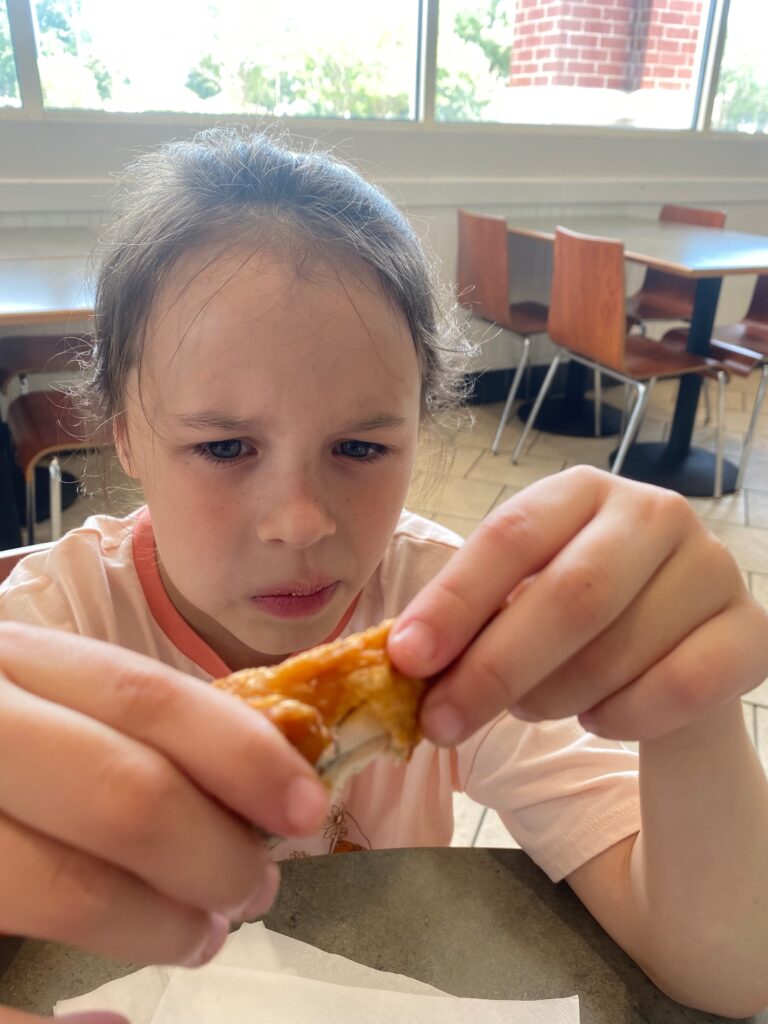
If you’re raising an autistic child, you already know:
Food isn’t simple.
Textures matter.
Smells matter.
Colors matter.
Routines matter.
And that often leads to restrictive eating patterns—sometimes extremely limited.
We’re not talking about “won’t eat broccoli.”
We’re talking:
- Same foods, every day
- Limited food groups
- Strong aversions that aren’t negotiable
And here’s the truth most people don’t say out loud:
👉 Even if your child is eating enough calories, they may still be malnourished.
The Signs of Vitamin Deficiencies (That Get Missed)
Based on what we know clinically about nutrition and neurodivergence, here are some common red flags:
Physical Signs
- Brittle nails
- Excessive hair shedding
- Pale skin
- Frequent illnesses
- Slow wound healing
- Weak bones
- Muscle weakness or aches
- Dry skin or rashes
- Canker sores
Behavioral & Neurological Signs
- Brain fog
- Difficulty focusing
- Irritability or mood swings
- Fatigue (this is a BIG one)
- Poor sleep (nightmares and other parasomnias)
- Developmental delays (in more severe cases)
Oral & Sensory Clues
- Cracks at the corners of the mouth
- Tongue changes (smooth, swollen, or sore)
- Gum sensitivity
- Vision impairments
Now here’s where it gets tricky:
These symptoms are often brushed off as:
- “just autism”
- “just growing pains”
- “just being tired”
- “just a phase”
And that’s where things slip through the cracks.
But when you tune into the body and develop an awareness, you’re better at noticing subtle changes before they get out of hand.
The Overlap That Confuses Everyone
Autistic traits and nutrient deficiencies can look eerily similar:
| Symptom | Could be Autism | Could be Deficiency |
|---|---|---|
| Low energy | ✔️ | ✔️ |
| Trouble focusing | ✔️ | ✔️ |
| Sensory sensitivity | ✔️ | ✔️ |
| Irritability | ✔️ | ✔️ |
So what happens?
👉 The nutritional piece often gets ignored, which exacerbates many autism traits.
The Most Common Deficiencies in Restrictive Eaters
From both research and real-life patterns, these are the usual suspects:
- Iron → fatigue, cold hands/feet, poor focus
- Zinc → appetite regulation, immunity, wound healing
- Vitamin C → bruising, bleeding gums, weakened immunity
- Vitamin B12 → brain fog, nerve issues, low energy, poor sleep
- Vitamin D → mood, immunity, muscle pain, bone health, poor sleep
- Magnesium → muscle tension, nervous system regulation, poor sleep
See a pattern there?
And here’s the kicker:
👉 Deficiencies don’t always show up dramatically at first.
They build quietly… until they don’t.
Why Doctors Miss It
Let’s be honest about this part.
Most doctors are trained to:
- Look for disease
- Treat symptoms
- Move quickly
They are not always trained to deeply assess nutrition, especially in:
- “healthy weight” individuals
- kids who are eating something
- parents who don’t know what to ask for
So unless you push for testing…
👉 It often doesn’t happen.
What You Can Do (Without Spiraling)
You don’t need to panic.
But you do need to pay attention.
1. Look at patterns, not just meals
Ask:
- Is my child eating from multiple food groups?
- Are entire categories missing?
2. Watch for subtle symptoms
Energy. Mood. Skin. Nails. Focus.
Your gut instinct matters here.
3. Advocate for testing
Ask for:
- Iron panel (not just hemoglobin—check ferritin)
- B12
- Vitamin D
4. Don’t rely on “they look fine”
I looked fine too.
And I wasn’t.
The InnerSass Perspective: This Is About Empowerment
This isn’t about fear.
It’s about awareness.
Because when we understand what’s happening in our bodies—and our children’s bodies—we can finally stop guessing… and start supporting. That’s empowerment.
This is especially true for neurodivergent families.
We are already navigating:
- behavior
- emotions
- sensory needs
- communication differences
The last thing we need is a hidden physical layer making everything harder.
There are simple ways to start improving nutrition at home — for yourself and the whole family!
If You Take One Thing From This…
Let it be this:
👉 Don’t assume it’s “just how they are.”
👉 Don’t assume you’re “just tired.”
👉 Don’t assume it’s “normal.”
Ask questions.
Look deeper.
Trust what you’re noticing.
Because sometimes…
The thing that’s been overlooked for years
is the exact thing that can change everything.