I Am a Late Diagnosed Autistic Woman.
If you’ve been following along, in Part 1 of my journey I shared that during our daughter’s evaluation process, when the doctors asked if autism ran in our families (mine or my husband’s), our response was always “no.”
We grew up in a time before autism was widely studied or understood. Our limited awareness was shaped by stereotypes—behaviors like hand-flapping, head-banging, or avoiding eye contact. Even with our daughter being a late-talker, it wasn’t something we connected to. But that was ten years ago, and a lot can happen in that time.
When Familiar Patterns Emerge
As my daughter got older, I started noticing little quirks—things she did that reminded me of… me.
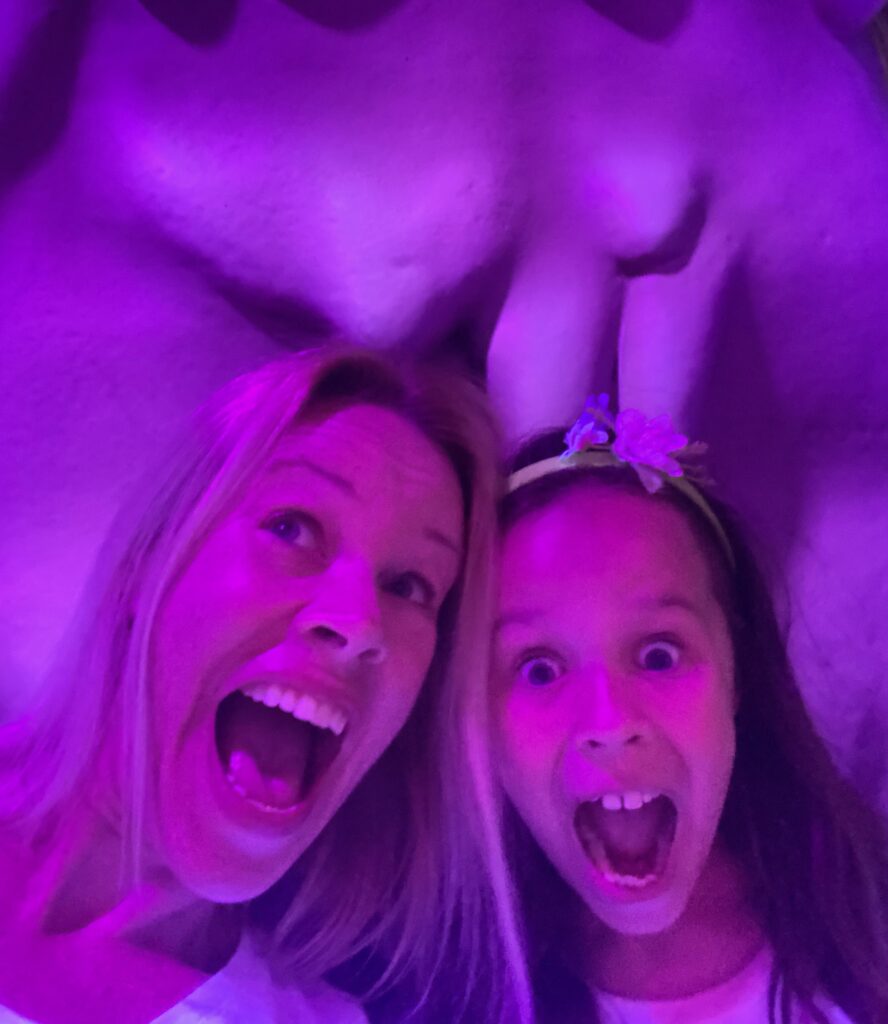
Take “the yawn”, for example. Sometimes it’s loud, almost exaggerated. I never thought much of it until one night, as I tucked my daughters into bed, my oldest let out the loud yawn. My younger daughter immediately said, “Stop doing that! I hate that noise.”
Instantly, I was transported back to college. My roommate used to say the same thing to me. But I couldn’t help it—sometimes it just had to come out that way! That night however, when my daughters repeated the same lines, something clicked.
“Wait… I rarely do that anymore. She couldn’t have learned it from me. Did she actually get it from me?”
The Turning Point: A Teaching Tuesday
The real turning point came on a “Teaching Tuesday”—a morning I reserve for learning. That day, I got far more than I expected.
A new YouTube channel called Mom on the Spectrum popped up in my feed. I clicked, assuming I’d learn something new about parenting autistic teens. Instead, as I listened to Taylor Heaton describe autistic traits in girls, I got chills. Tears started streaming down my face.
I recognized myself instantly.
The behaviors, the stims—the hair twirling, sensitivity to light and sound, the passion for puzzles, my love of “big words,” my need for things to be just so—it was all there. The more she talked, the clearer the picture became.
That “ear thing”? My grandfather did it too. Those countless hours spent with the piano, playing or singing every song I knew—normal for me, but perhaps not “typical” for most.
A New Lens on Old Memories
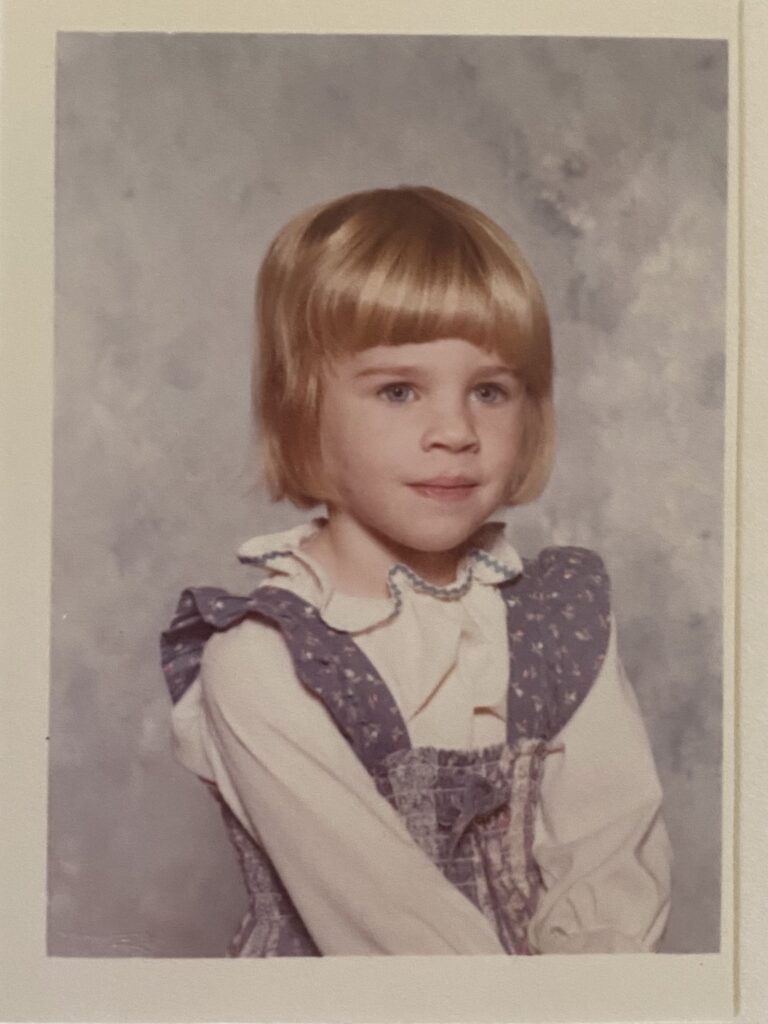
Memories of confusion and heartache suddenly made sense. They no longer carried the same weight. Being socially naive and “gullible” is a common trait among autistic girls—so I began to wonder how many traumas could have been avoided if I was armed with this knowledge earlier in life.
But I had to give myself grace. How could I have recognized something that even the medical field hadn’t yet defined—especially in women? Even after my daughter’s diagnosis, I didn’t see myself in it.
Autism has been studied for over a century, but it wasn’t until the early 1970s that it gained real traction in the medical community. Asperger Syndrome was added to the DSM in 1994, and it took another 19 years before Autism Spectrum Disorder (ASD) was formalized in the DSM-V.
By then, I was well into adulthood—carrying around a lifetime of unanswered questions, unresolved traumas, and quiet feelings of inadequacy.
I am part of “The Lost Generation”—or more specifically, “The Lost Girls.” Those of us who grew up undiagnosed, flying under the radar.
The Overlooked Girls
Historically, females have been underrepresented in autism research. For decades, it was considered a predominantly male condition. Only in recent years have professionals started recognizing that autistic girls often mask—imitating social cues so effectively that their traits are overlooked or dismissed.
Here are a few that resonated deeply with me:
- Communication: Difficulty expressing thoughts verbally (especially when stressed), better at writing or typing, and sometimes going nonverbal.
- Learning Style: Prefers written instructions over spoken ones.
- Cognitive Abilities: Pattern, visual, or word/fact thinker; often musical or artistic.
- Social Dynamics: Naive or “too trusting,” often misreading intentions—leading to manipulation or toxic relationships.
- Special Interests: Can hyperfocus for hours, forgetting to eat, drink, or even use the bathroom.
As I went down the checklist, I saw myself everywhere.
All my life, I’d felt like there was a secret manual everyone else got—except me. But now, I finally had an answer for so many of my lifelong questions.
I smiled through the tears as a feeling of peace washed over me.
The Road to Self-Discovery
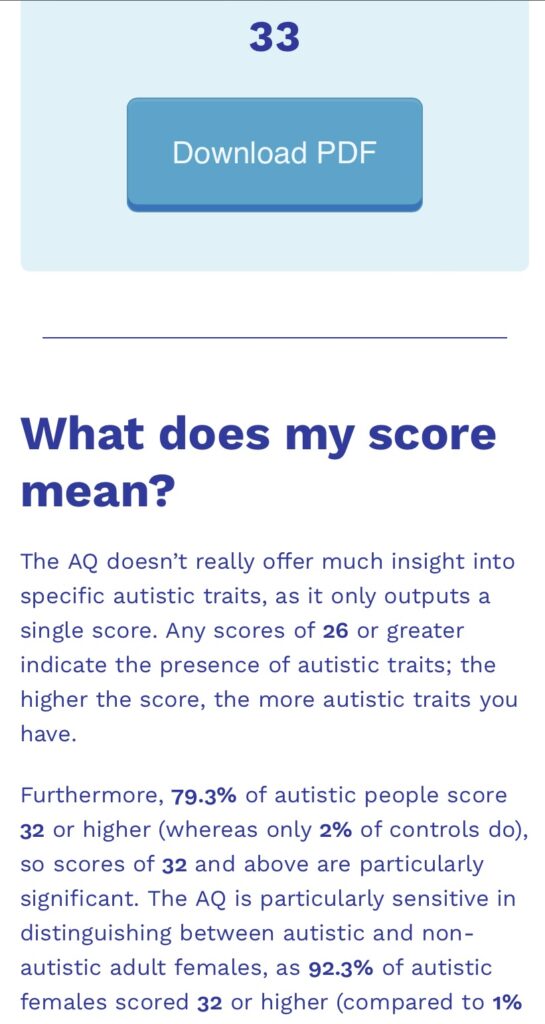
There are several self-assessment tools online if you suspect you might be autistic. After going through the Autism Traits Checklist, I followed it with the 50-question AQ Test (Autism Spectrum Quotient) and the RAADS-R—all showing consistent results.
Then came the next question: What now?
Self-diagnosis is common and respected in the autistic community but it does not equal having a formal assessment done by a qualified professional. Getting a formal assessment—especially as an adult—can take months or even years. It can also be expensive and emotionally taxing.
At the time of this post, I’m still in that process.
If you’re also navigating this environment, please seek a professional who specializes in autistic females. Neurodivergency is a vast and complex area and not all clinicians are trained to recognize the female presentation. Unfortunately, misdiagnosis is fairly common. I highly recommend reading Tania Marshall, M.Sc.—a pioneering psychotherapist who helped define the female autistic profile.
Seeing the Signs in Myself
Looking back, the signs were always there:
- Getting in trouble for talking too much in school.
- Staring out the window, lost in the patterns of clouds.
- Looking for shapes and “faces” in tiled floors.
- Constantly observing and studying everyone and everything.
- Saying “what?” too often because my brain needed extra time to process sound.
That moment in Catholic school when I was excluded from a spelling bee for saying “what?” instead of “excuse me” now makes perfect sense. It wasn’t rudeness—it was processing.
Those times I either didn’t or couldn’t speak because the words in my head wouldn’t come out, contrasted with the times I did speak up and was either applauded for being brave or derided for being “rude”. Second guessing myself was constant.
I’ve always been sensitive to sound. I hate loud restaurants, helicopters aggravate me, the pounding bass from another car is intolerable. They all feel like nails on a chalkboard.
My ears hear everything; they just don’t always interpret words the way others expect. I can easily distinguish different instrument’s tones, hear wrong notes, and mimic voices. But I’ve said for years that my favorite sound, is SILENCE. Earplugs for sleeping are a must.
Unmasking and Grace
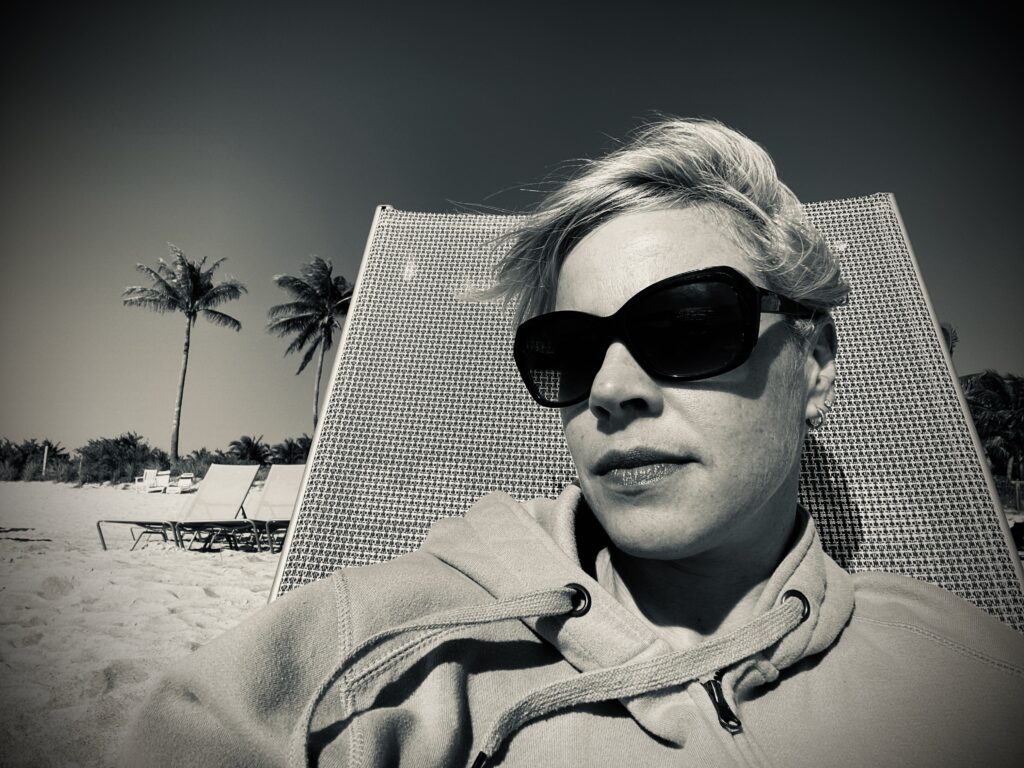
The process of unmasking and self-discovery is like peeling an onion—layer by layer, endless and raw. You’re still the same person, but each layer reveals something new.
Memories may trickle back slowly or flood in all at once. But with each realization comes compassion—for my younger self and for my family.
It’s helped me practice patience when my daughters hyperfocus and don’t hear me calling their names. It’s helped me understand when they monologue for ten minutes straight about a favorite topic. (I’m guilty of that too.) I now recognize emotional overwhelm when it goes from 0-60mph in a heartbeat—so I’ve learned how to help them regulate.
The more I learn, the better prepared my own children will be for their futures.
“A bird sitting on a tree is never afraid of the branch breaking, because its trust is not on the branch but on its own wings.” ~ Charlie Wardle
A Message for Fellow Seekers
Self-discovery is key to living a balanced and more fulfilling life. It can help reveal limiting beliefs or behaviors that are holding you back, obtain a deeper understanding of yourself—to foster self-love and acceptance, and will empower you to live a more authentic life experience.
Take your time and give yourself grace in your own self-discovery process. Rather than judging your past experiences—learn from them. Find strength in discomfort, look for lessons all around you, and rise above your challenges.
As I tell my students: No one knows your body or mind better than you. Life is a journey to be explored—it’s not a race. Winning comes when you work to understand yourself and try to be the best version that you can be.
If something about my story resonated with you and you’d like to take a deeper dive, Embrace Autism is full of resources to help you on your journey.
Build your toolkit to stronger self-awareness here.
Love freely, breathe deeply, live boldly, and stay sassy, my friend.