The Early Signs I Couldn’t Ignore
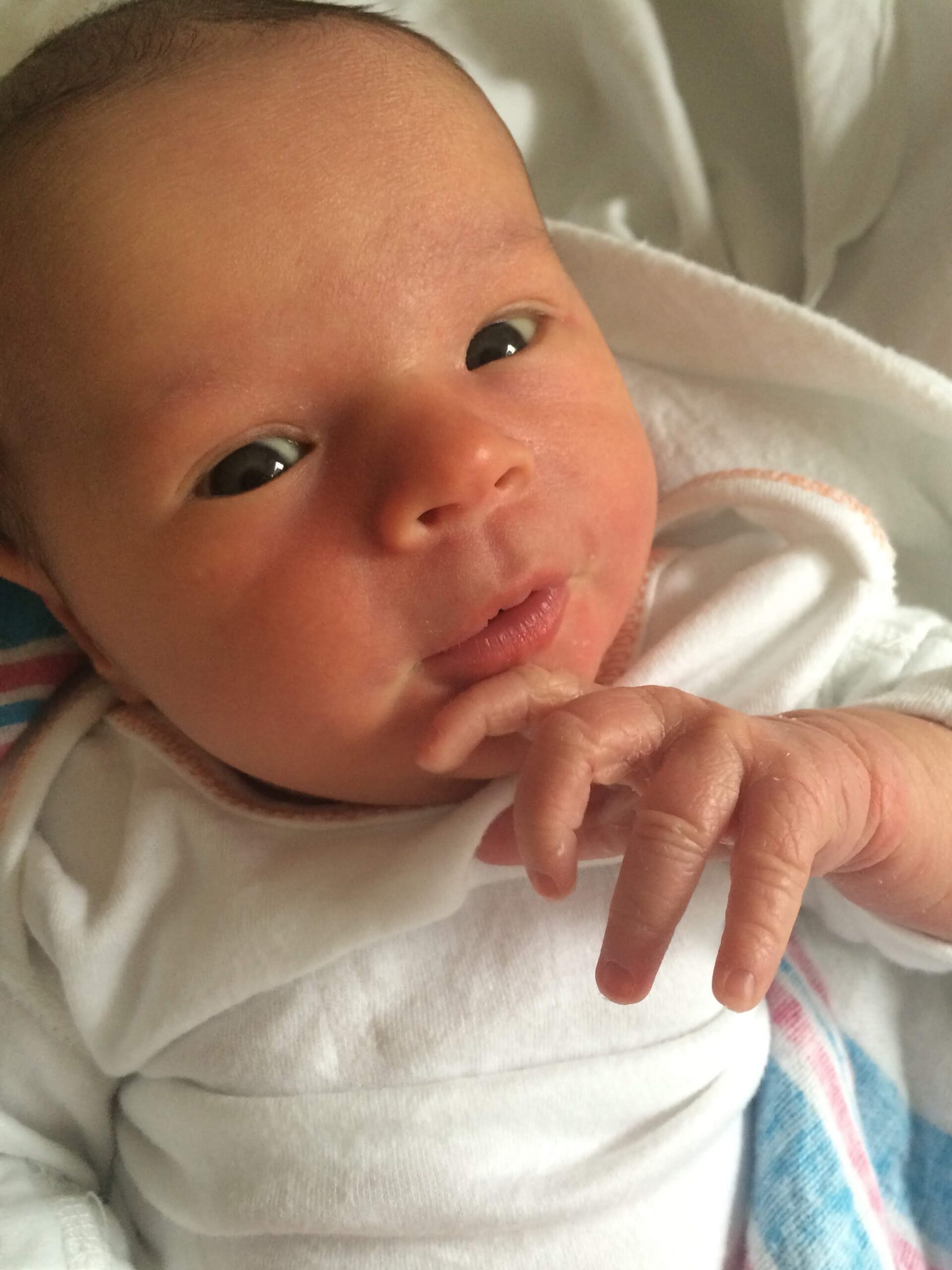
When my daughter was diagnosed with autism at just two years old, I knew deep down that our journey would look different. There were signs from the very beginning—subtle and not-so-subtle things that set her apart. As a newborn, she was very aware. Within days she was trying to hold her own head up. She was walking at 8 months, running and climbing by her first birthday, and loved to organize toys like a tiny professional.
But in those early days, she’d often cry in the evening for hours—which honestly sounded more like dramatic wailing. Our first night home from the hospital we were so caught off guard by this, that we called them to find out what was wrong with our baby. She had a clean bill of health, wasn’t hungry—but just wouldn’t fall asleep. Apparently it’s a thing no one had warned us about. No amount of consoling, rocking, holding, feeding, burping or changing seemed to help. Thankfully she grew out of it.
She then grew into having intense reactions to sounds—public restrooms terrified her, blenders or vacuums sent her into full panic, and meltdowns with deafening screams were common. As a toddler, sometimes she would even hit her head on the wall. I wonder now if that’s what those early wailings were about. Maybe the sounds of our voices and the tv were all too much for her.
If any of this sounds familiar, I hope sharing our story helps you feel less alone—and maybe gives you a few ideas to try on your own journey.
Let Go of the “Why” and Focus on “Now”
When we first got her diagnosis, the flood of guilt hit hard. Doctors asked if there was autism in the family—No, was our understanding. (More on this later, in Part 3 of our Journey.)
Naturally, we wondered: Did we wait too long to have kids? Was it something in the water? Did we do something wrong in the early weeks of pregnancy? Maybe we didn’t breastfeed long enough?
If you’re in this space right now, please hear me: None of that helps anyone. The questions don’t change your child’s needs. It doesn’t matter, the “Why” or the “How” —what matters is what you do with the “Now.” The sooner you focus on getting support—for your child and for yourself—the stronger your future will be.
Finding a Way to Communicate: Sign Language for the Win
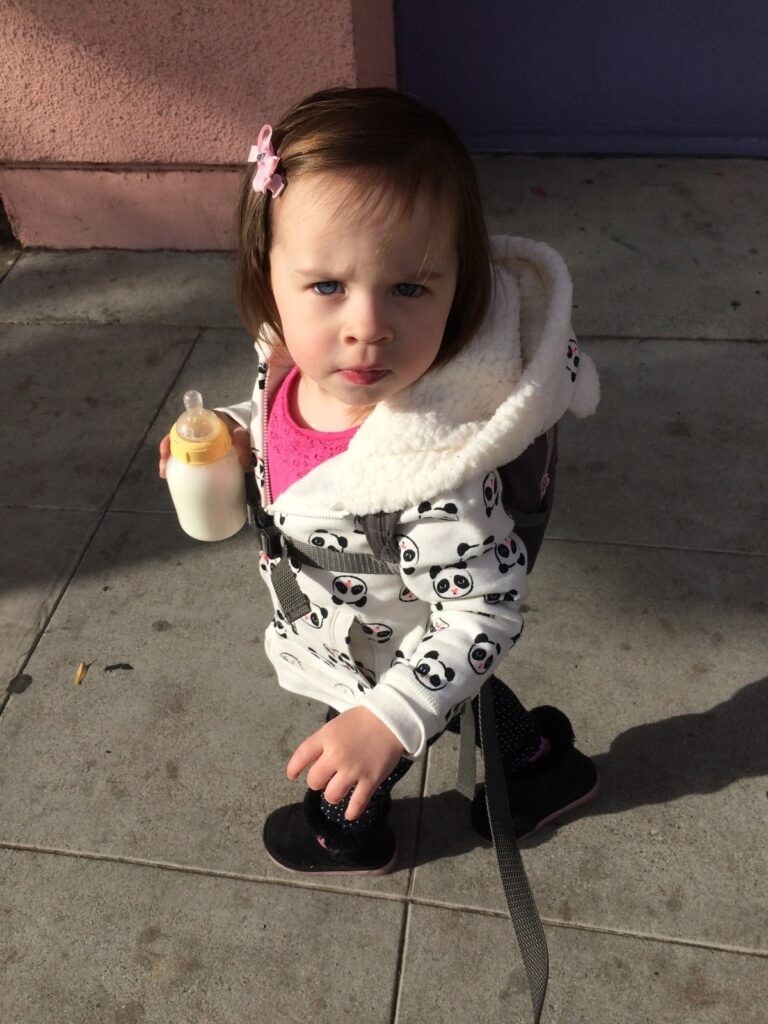
As physically active as our toddler was, she had no interest in speaking. Family would say that she was just “busy” or “very active” and that her words would come when she was ready. But waiting for words made communication very difficult in those early days.
We all got frustrated with not being understood and no one likes to live that way. So I turned to sign language. Slowly but surely it gave us something to work with—and something is everything when words aren’t working.
She couldn’t say she was hungry, but she started signing for eat. By teaching her more signs, her eye contact improved and she learned the first step toward communication. The signs for water, milk, more, up, down, and done, were lifesaving for all of us. I cannot recommend this enough:
If your child is speech delayed, teach them simple signs.
It gives them power, agency, and a way to be heard. That’s priceless.
Getting Help: Speech Therapy & Preschool
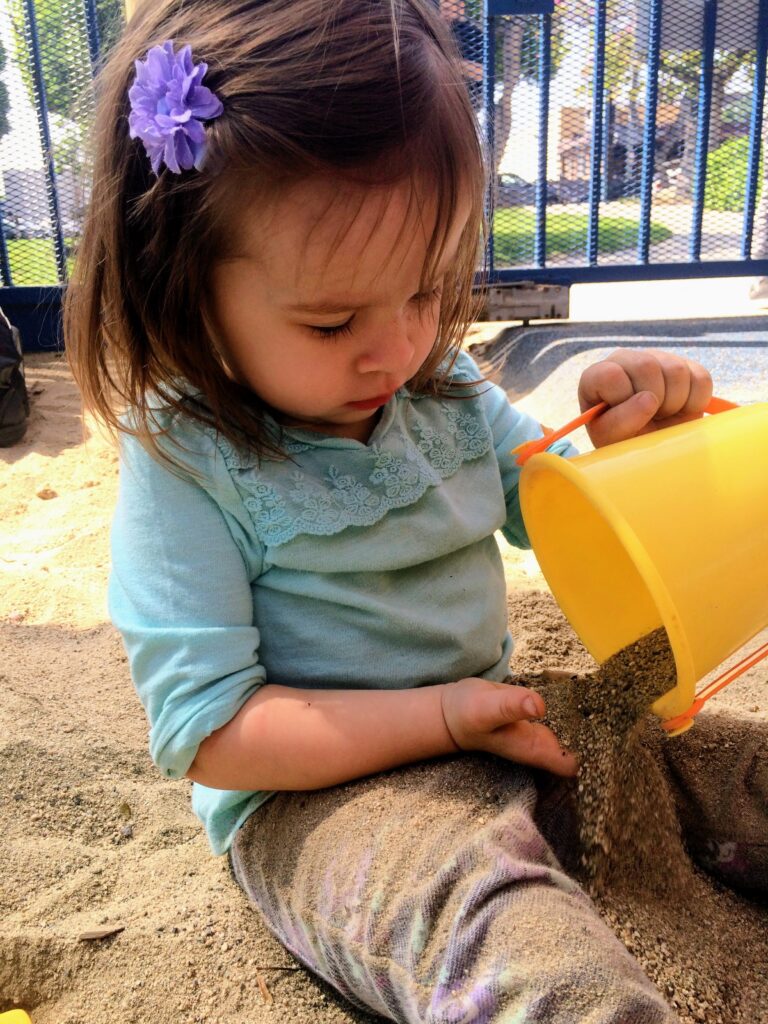
I’m so grateful to our pediatrician at that time. We were new parents living on the opposite coast from our family—with friends who were mostly inexperienced in the parenting department. But our daughter’s language delay was concerning to me, and thankfully our pediatrician agreed. Her expertise and subsequent referral were invaluable to us.
Our daughter had a few words, but they were unexpected. Not “Mama” or “Dada,” but “purple,” “Gigi” (her word for doggy), and “car.” Most of her speech was garbled, and she didn’t seem interested in talking.
After her diagnosis of ASD, we got her the recommended support services and enrolled her in a 2K preschool program for socialization. At the time, we were living in California, and we were fortunate that these services (speech, occupational, and preschool) were free to us, covered by the state through the Lanterman Regional Center . (If you’re in the Los Angeles area, I highly recommend reaching out).
But here’s my biggest advice: Don’t wait.
We almost did—and we missed out on precious early-intervention time. The Lanterman Center only provides services for the Early Start program up to age 3, and it was already year 2. If you’re questioning something—anything—bring it up with your pediatrician. Your state’s Department of Developmental Services can help you find programs in your area. You must advocate for your child. Early support is everything.
Echolalia and the Gift of Progress
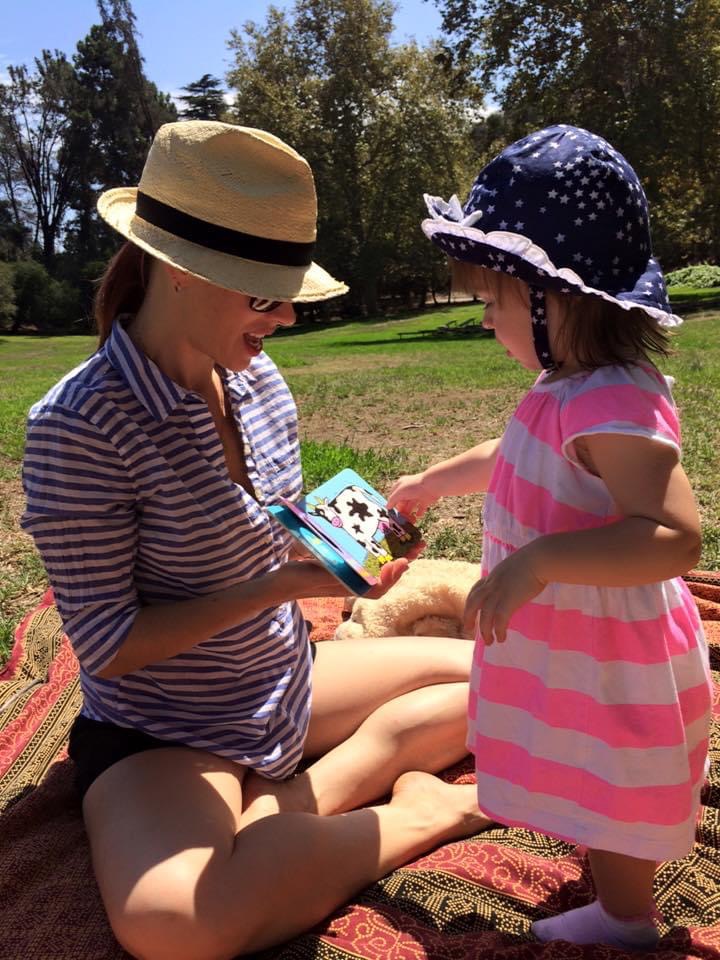
One thing we had never heard of at the time was echolalia—when a child repeats words or phrases instead of answering questions. If I asked, “Do you want to go for a walk?” she’d say “walk.” If I asked, “What color is this car?” she’d reply, “car.” It was frustrating at first, but once we understood it was a step in her language development, not a roadblock, we could breathe again.
Speech therapy began to work its quiet magic. Slowly but surely, her vocabulary grew. We heard less echolalia and she started connecting words with meaning. When we moved states, her IEP (Individualized Education Plan) followed her into elementary school and services continued every week—even throughout summer breaks, based on her needs from her yearly evaluations.
Eventually, she graduated out of her IEP after 7 years—and that moment was both scary and thrilling. We were all so proud of how far she’d come, but I felt like we were removing a vital safety net and that made me nervous. Her teachers and evaluators assured us that she was performing at grade level and no longer qualified for services, but if she ever regressed or needed support, it would be there for her. And guess what? She kept blossoming.
She’s now a chatterbox who’s making up for all those quiet years, by talking nonstop now—and we couldn’t be prouder. But it took a lot of patience and work to get to this point and autism is a continuing journey that the whole family goes on together.
Closing Thoughts for Part 1
If you’re a parent in the early stages of an autism journey:
- You are not alone.
- Your instincts matter.
- There is support out there.
❤️ Early intervention, supportive therapies, and a lot of love and patience can go a long way. Be informed of children’s developmental milestones, trust your instincts, and advocate for your child. Know that with time and help, things do get better—even if they never look “typical.” Your child may just surprise you and leap beyond expectations if you give them the opportunity.
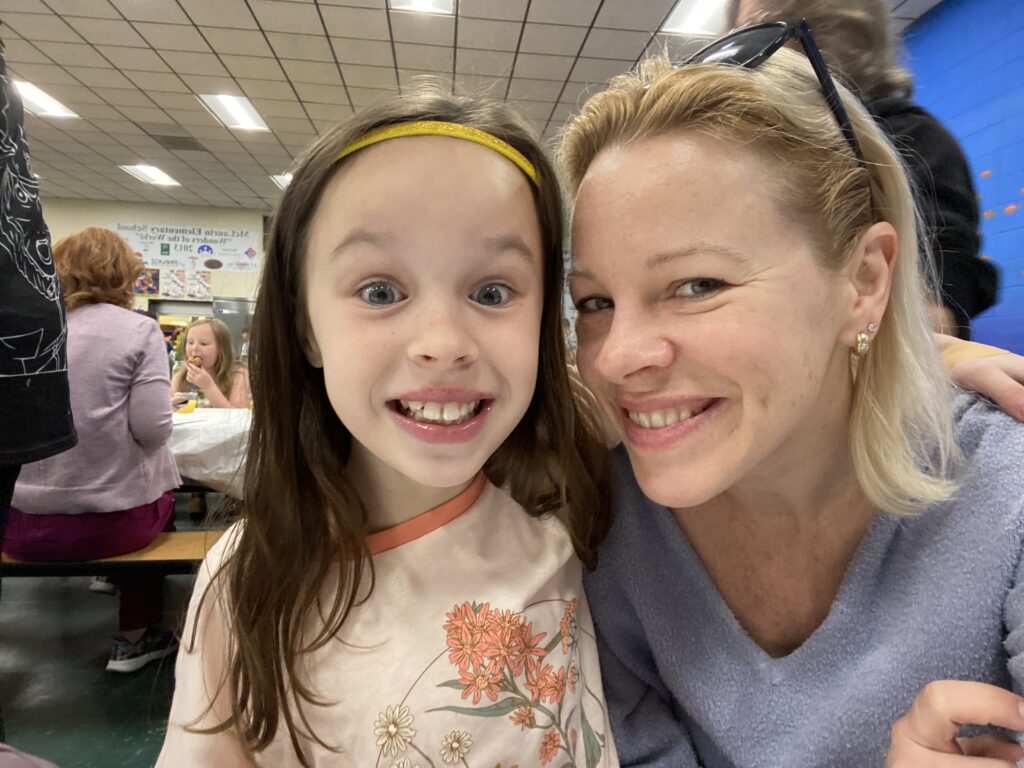
💬 If you’re navigating early signs and diagnosis, what has helped you most? Share in the comments—I’d love to hear from you.
👉 In Part 2 of this series, I’ll be sharing what we learned about meltdowns, sensory overload, and the unexpected tools that helped us survive the toughest moments. I hope you’ll stick around. Part 2: Meltdowns, Sensory Overload, and the Tools That Helped Us
“It doesn’t matter the ‘Why’ or the ‘How’—what matters is what you do with the ‘Now.’”