Burnout creeps in quietly—exhaustion, irritability, and that nagging sense you’ve lost your spark. It can be a very uncomfortable place. But here’s the good news: burnout doesn’t have to be permanent. You can shift from survival mode to a balanced, empowered life. This guide shows you how.
What Is Burnout and Why Does It Happen?
The term burnout was first coined in the 1970s by psychologist Dr. Herbert Freudenberger. He used it to describe more than just fatigue—it’s a state of emotional, physical, and mental exhaustion caused by prolonged, unrelenting stress. He defined it as “a psychological syndrome emerging as a prolonged response to chronic interpersonal stressors on the job.“
At the time, “job” referred almost exclusively to paid employment outside the home. Women’s roles as homemakers, caregivers, and nurturers—though demanding and relentless—were rarely recognized as “real” work. But five decades later, the conversation is changing.
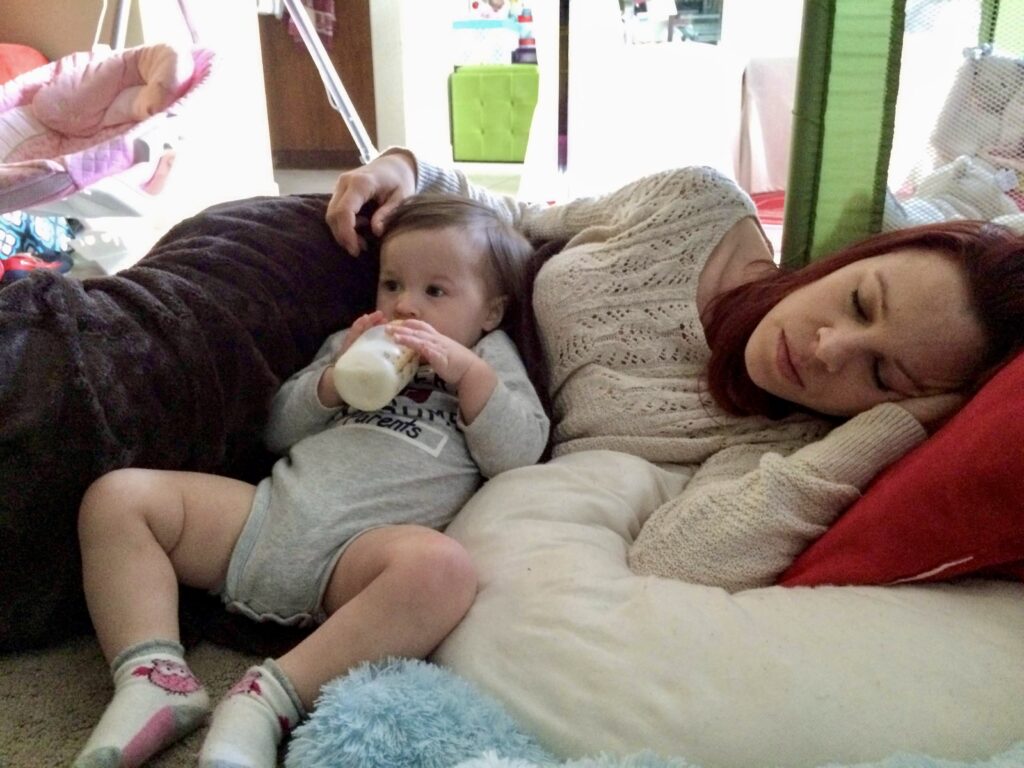
Picture a mom cradling her newborn, exhausted from sleepless nights—that’s often where burnout begins. We now acknowledge that many women are not just working one job, but multiple: raising children, running households, maintaining relationships, managing mental loads, and in many cases, holding down careers as well.
Is it any wonder that burnout has become a buzzword? It’s not a trend—it’s a cry for help from a generation stretched far too thin. “According to the Women in the Workplace 2022 report by McKinsey & LeanIn.org, 43% of women report consistent burnout—significantly more than the 31% of men at the same level.”
Burnout vs. Autistic Burnout: Key Signs and Differences
There are three key dimensions of burnout in the occupational context. They are:
- overwhelming exhaustion
- feelings of cynicism and detachment from the job
- a sense of ineffectiveness and lack of accomplishment
Autistic burnout is a syndrome experienced by Autistic individuals resulting from:
- chronic long-term exhaustion (typically 3+ months)
- a reduced tolerance to stimulus.
- loss of skills (executive functioning and/or cognitive functioning skills)
When these 3 key factors are combined with a cumulative load of life stressors and the inability to obtain support or relief from a neurotypical society, Autistic burnout can set in. While not yet a formal medical diagnosis, it is a widely recognized and documented experience within the Autistic community.
If you’re experiencing any of these symptoms, it’s important to take action and seek support. Left untreated, burnout can lead to depression and physical health problems as the nervous system becomes further dysregulated.
- 😔 Feeling a sense of failure, self-doubt, or helplessness
- 😡 Feeling on edge, easily frustrated, or experiencing heightened anxiety
- 😴 Constant fatigue, even after sleeping
- 😞 Feeling detached or cynical about work and life
- ❌ Trouble focusing or making decisions
- 🛑 Physical symptoms like headaches, digestive issues, or muscle and joint pain
Picture this: You’re standing in the kitchen surrounded by dirty dishes. You’re tired. You were about to do something, but now you forget what it was. Emails pile up on your phone, yesterday’s unfinished to-do list looms, and your toddler is crying for a snack. Your chest feels tight, that headache is back again, and the thought of adding one more thing makes you want to cry.
That’s burnout whispering—or maybe even screaming—at you. What do you do?
6 Steps to Move From Burnout to Balance

🌱 1. Pause and Acknowledge Where You Are
Take a deep breath and check in: What’s draining my energy? Where am I overextended? Have I been taking care of myself lately?
Maybe you’ve been carrying too much at work, in caregiving, or both. Perhaps you’ve been surviving in a toxic environment for too long. Nutritional deficiencies can worsen burnout symptoms, since low levels of certain vitamins (like B vitamins and magnesium) are linked to fatigue and emotional imbalance. Have you been nourishing your body and brain lately with good-quality foods?
It’s important not to judge yourself for where you are. You know your life and your body better than anyone. Acknowledge your Self, breathe deeply, and set the intention to care for your health. Place one hand on your heart, the other on your belly, and breathe slowly. Let each exhale release anxiety and tension When you focus on the breath and allow the mind to be still, the healing can begin. Your greatest tool is always available: your breath. Trust that you WILL be okay. ❤️
🗂️ 2. Set Boundaries That Protect Your Energy
Recognize the difference between wants and needs. Saying no becomes easier when you’re clear about what’s essential for your well-being. You might want to do everything—especially if you’re a people-pleaser (common in neurodivergent individuals)—but you need to speak up for yourself.
Start small: make a list of your need-to-dos and your want-to-dos. Then, say no to one thing this week that doesn’t serve you. Overextending yourself is a recipe for disaster—for yourself and your loved ones. Speak to others with kindness, and extend that same kindness to yourself. Boundaries aren’t selfish—they’re SELF-CARE.
🧘♀️ 3. Build Micro-Moments of Self-Care

Sure, a day at the spa would be wonderful—but it’s not always possible. Instead, sprinkle small acts of care throughout your day. You don’t need an elaborate routine, but we must have other things that we can do on a daily basis to practice self-care. Try:
- A 5-minute breathing exercise
- Drinking water and stretching between tasks
- Listening to a favorite song and moving your body
- Stepping outside for fresh air and mindful breathing
- Journaling for 5 minutes
- Restorative stretching before bed
- Taking a bath or a relaxing shower
- Giving yourself a facial
- Painting your nails
🕰️ 4. Reevaluate Your Priorities
Ask yourself: What truly matters right now? Not everything is urgent—or even necessary. Allow yourself to breath, and contemplate your priorities. Categorize tasks into “must-do,” “nice-to-do,” and “can wait.” Focus your energy on essentials and release the pressure to do it all. Consider how much of your energy you’re giving away versus how much you’re giving back to yourself. Start to make yourself a priority.
For example, reorganizing the kids’ closets might feel just as important as the food shopping or the doctor’s appointment, but in reality—it can wait. When the time comes, ask for help. Invite a friend for a clothing swap, donate to a shelter, or involve your kids so they learn organization and generosity.
💖 5. Reignite Your Spark With Joyful Activities
Think about what lights you up: dancing, walking in nature, playing an instrument, or just having quality alone-time. A quiet moment with a cup of tea and a journal can reset your nervous system. Everyone is different. Decide what it is that YOU need and try to schedule these joyful moments like appointments.
A coffee walk with a friend, calming music instead of stressful phone calls in the car, or even a full day of rest when you can manage it. These aren’t indulgences; they are vital for breaking the burnout cycle and restoring your energy.
🤝 6. Ask for Help and Build Support
You don’t have to go through burnout alone. Reach out to friends, family, or professionals. Be honest with yourself when it comes to recognizing your abilities and the amount of energy you have to give. Whether it’s delegating chores, talking to a therapist, or joining a support group, asking for help is not a sign of weakness but a powerful step toward balance.
My Personal Burnout Moment
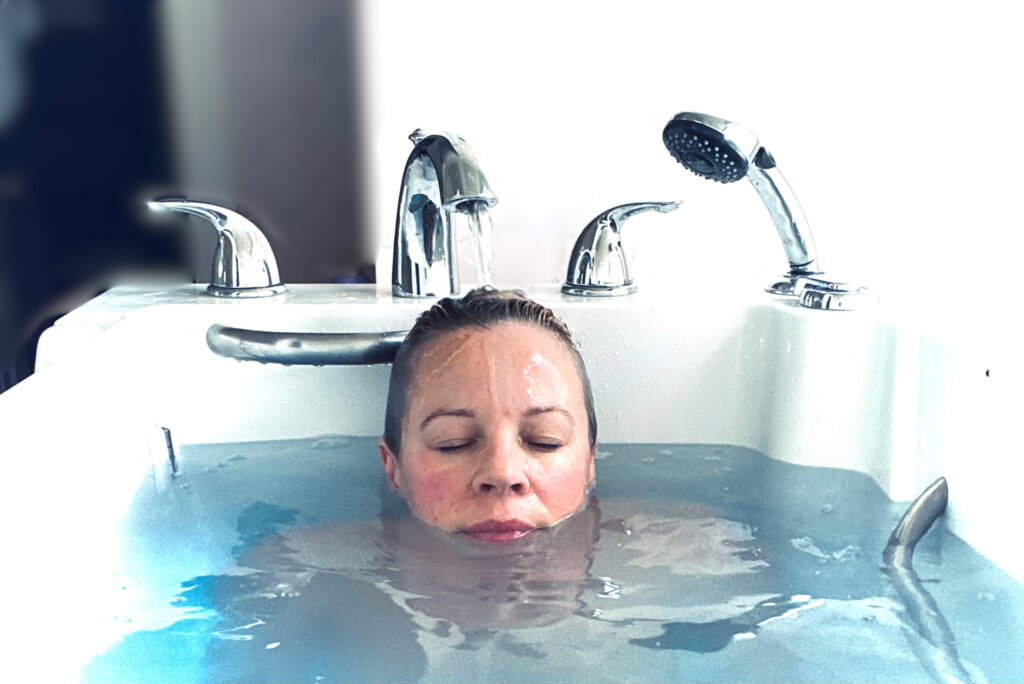
A few months ago, burnout hit me so hard that I had to cancel my day and reset. I’d had a headache for days, but I was trying to “ignore it away.” I finally admitted to myself—and my coworkers—that I needed help. They stepped in to sub my classes, I got the kids to school, and came back home to rest. Too dizzy to even finish my coffee, I laid down and slept for hours.
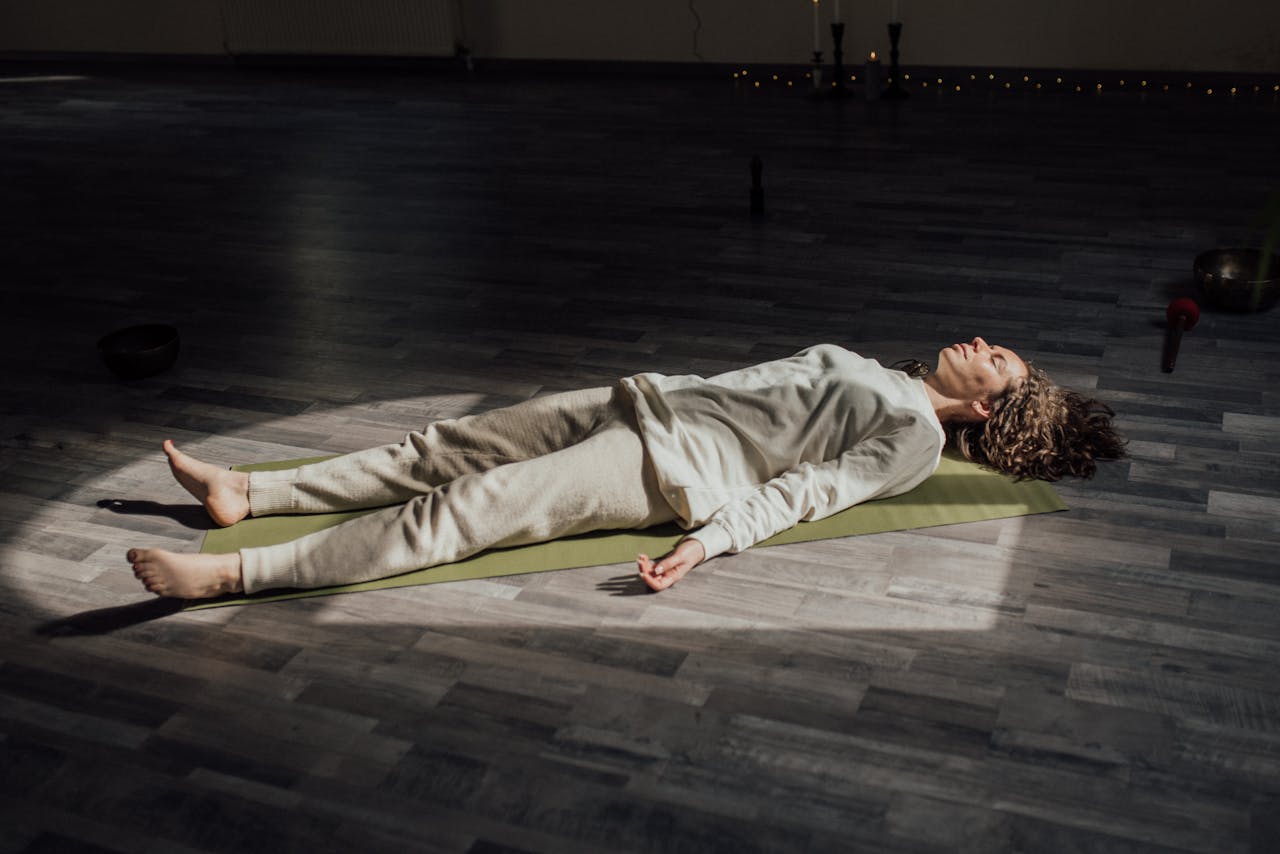
Still feeling drained when I awoke, I shifted to the floor for a 90-minute restorative yoga session. Afterward, I managed to send a couple necessary emails, but my energy level was non-existent. I drew myself a bath with Epsom salts and soaked for another 90 minutes, wishing I could stay even longer. But it was time for school pickup.
Later, the chores had to wait. Only the completely necessary was happening. The kids pitched in more, dinner was simple, and my husband did the heavy lifting. I put myself to bed early. By the next day, I felt somewhat better. But it took nearly a week before my energy returned and I felt like myself again. This wasn’t illness; it was exhaustion from overdoing.
I am no stranger to burnout—or to full-blown autistic burnout. It was during one of these moments that I finally chose healing and wellness as a priority. For myself and my family.
But over time, I’ve learned how to recognize my limits and set boundaries. I am still prone to burnout after holidays, family visits, or stretches of masking and overcommitting—if I don’t give myself adequate breaks. Exhaustion will set in and I’ll get dysregulated. But with tools like yoga, pacing systems, and journaling, I am now able to recover in days, rather than months (or years.)
The Ripple Effect of Balance
Starting small, asking for help, and refusing to take on more than you can handle makes all the difference. As balance returns, you’ll notice more energy, clearer thinking, and a renewed sense of purpose. Relationships, work, and health all benefit.
Take it slow, though. Too much too soon can send you backward. For neurodivergent individuals, repeated cycles of burnout may lead to autistic burnout, so prevention and pacing are key.
Quick Burnout Recovery Checklist
✅ Take 5 slow deep breaths when stress spikes
✅ Hydrate and stretch
✅ Write down 3 things you’re grateful for
✅ Say no without guilt
✅ Schedule one joyful activity today
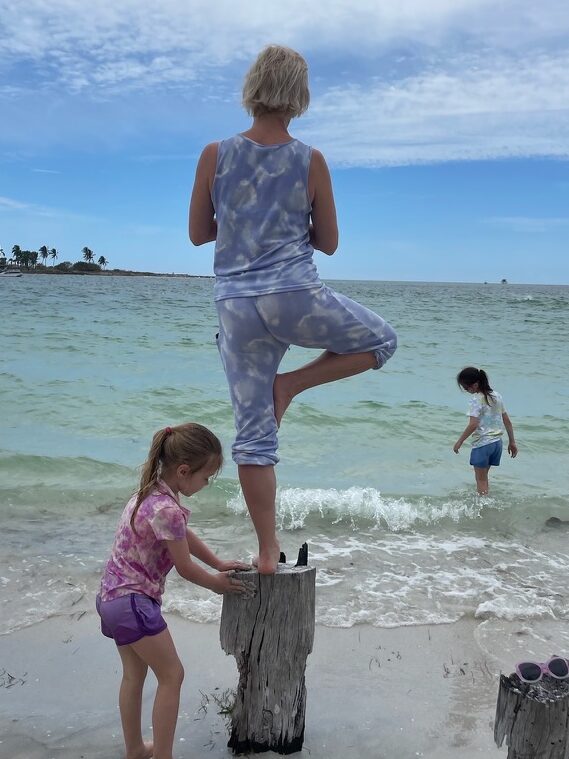
💞 Remember that overwhelmed mom in the kitchen with the crying toddler? The best thing to do in that moment, is pause, take a deep breath, and get down on the floor at your child’s level. Hug each other, feel the connection, and then share a smile and a healthy snack together. Take that stressful moment and turn it into a healing moment instead—for both of you. That needs to be priority #1.
Your Path Back to Balance
You deserve more than survival—you deserve to thrive. Start small, get help, stay consistent, and prioritize your health. It’s a journey, not a sprint. Love yourself fully, give yourself time and grace in the process, and trust that your spark will return. 🌟
👉 If this resonated with you, please let me know in the comments! I’d love to hear from you!
You might also enjoy my story on Finding Your Inner Spark.